
Plan Smarter Trips with AI Travel Assistant

Project Overview
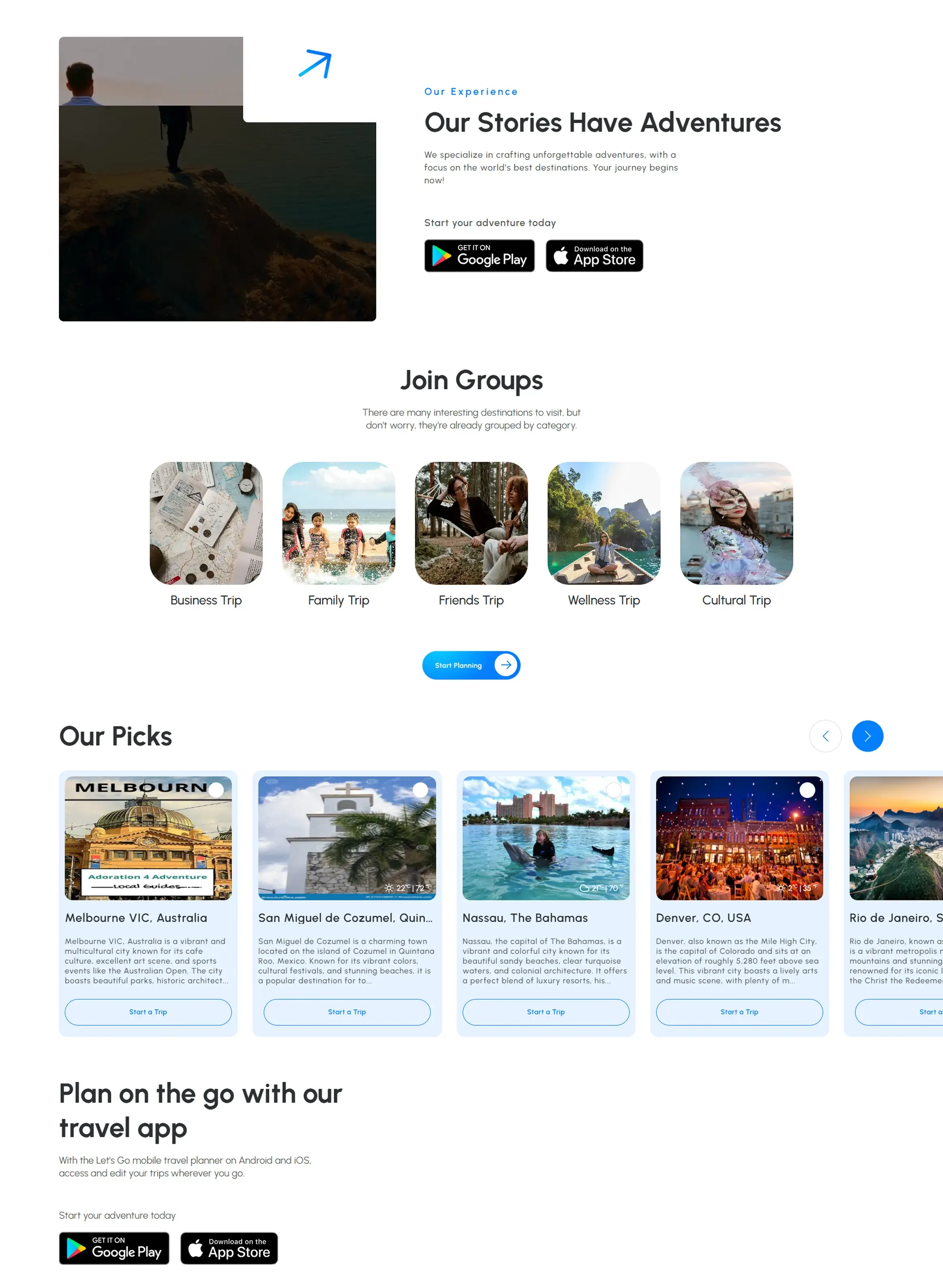
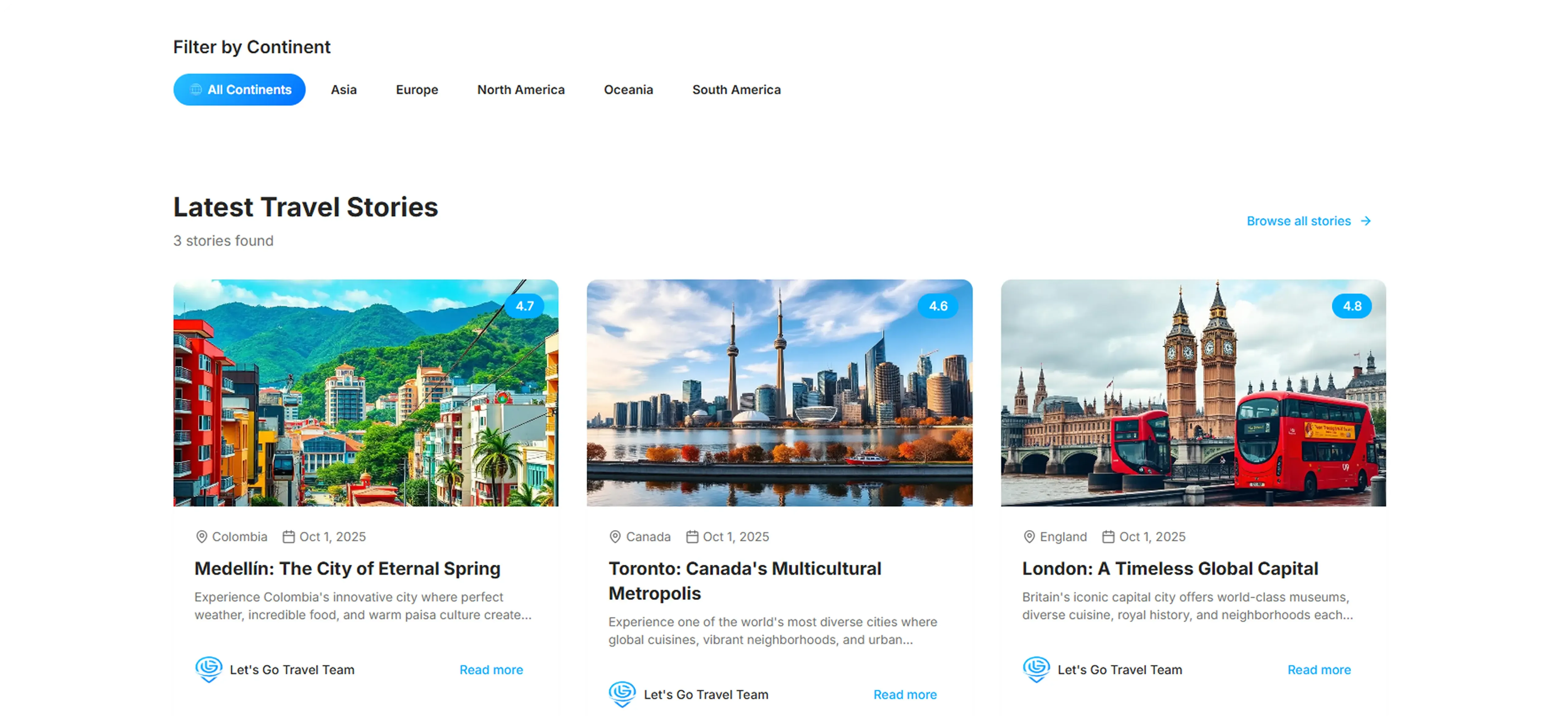
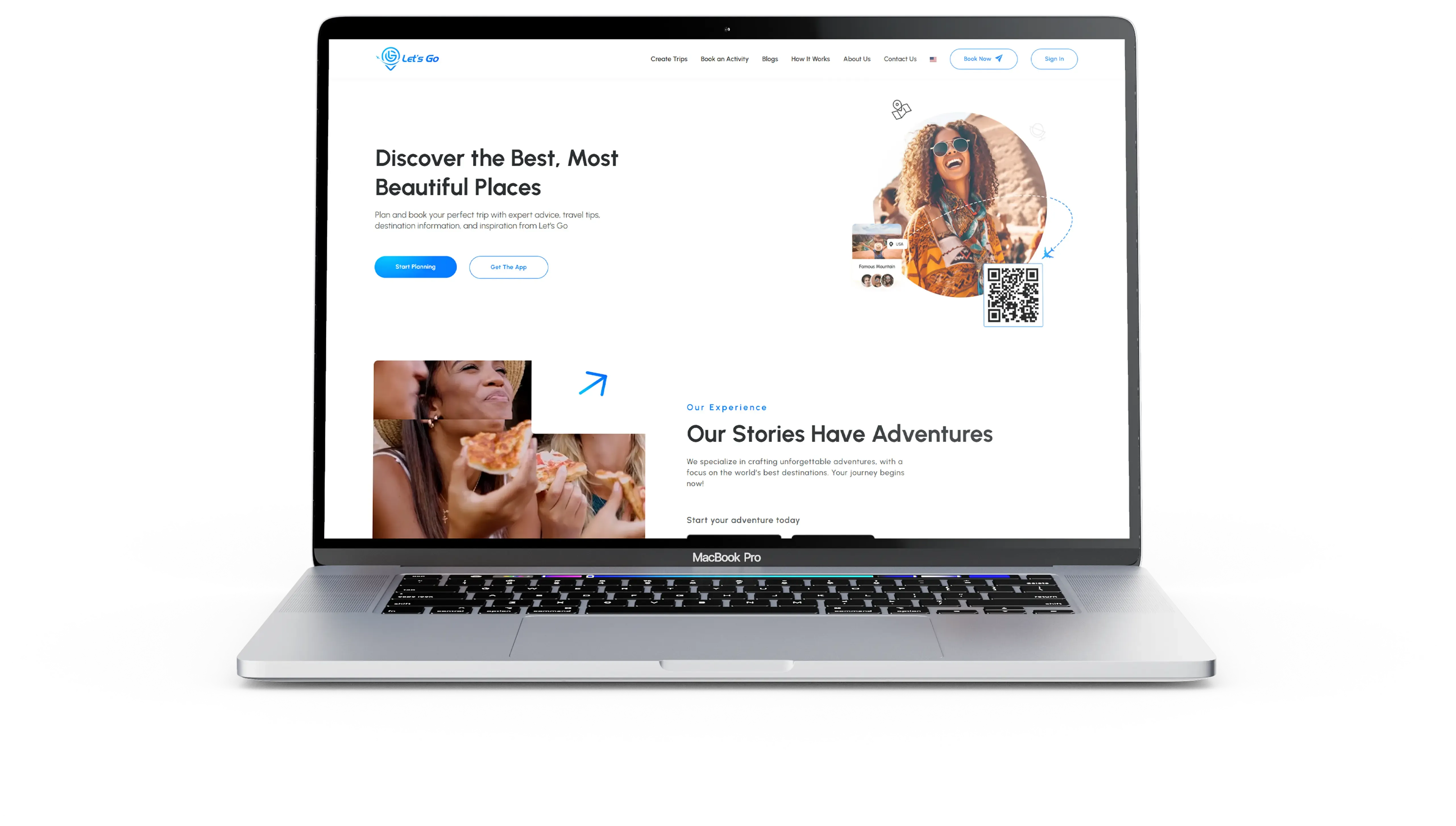
Let's Go is a web and mobile app generating personalized travel itineraries. As Senior Python and AI-ML Developer, you designed an intelligent generator tailoring experiences by city, days, budget, and trip type (solo, couple, friends). It curates attractions, activities, and dining using ChatGPT for itinerary creation, K-Means clustering for model training, and ALS algorithm for customized suggestions.
Industry : Travel & Hospitality.
Location : United States
Year : 2024
Technologies Used
Python
OpenAI
React
AI Backend
Flutter
MySQL
AWS Services
Google Maps
Express.js
Challenges
ChatGPT itineraries mismatched user budgets and trip types (solo/couple) due to vague prompts and lack of personalization data. K-Means clustering slowed on massive attraction datasets during peak travel seasons. ALS recommendations gave irrelevant suggestions without user history or real time feedback loops. API latency from ChatGPT + clustering hit 5-10s delays, ruining mobile real-time planning experience.
- Generic ChatGPT outputs ignoring specific city/activity constraints.
- Cold-start problems for new cities/users in ALS matrix factorization.
- High concurrent users overwhelming combined inference pipelines.
Solutions
1. PROMPT ENGINEERING AND FINE-TUNING
Engineered dynamic ChatGPT prompts with user context (budget, trip type) + few-shot examples. Fine-tuned smaller Llama model on travel data for 85% better personalization match.
2. OPTIMIZED CLUSTERING PIPELINE
Implemented MiniBatch K-Means with online learning for incremental training on 100k+ attractions. Added dimensionality reduction (UMAP) cutting compute time by 80%.
3. HYBRID ALS + COLLABORATIVE FILTERING
Combined ALS with content-based filtering using user history + attraction embeddings. Session-based recommendations solved cold-start for new cities/users.
Results
Achieved 85% itinerary personalization accuracy by engineering dynamic ChatGPT prompts and fine-tuning Llama models on travel data. Reduced clustering compute time by 80% using MiniBatch K-Means with UMAP dimensionality reduction, handling 100k+ attractions seamlessly. Delivered relevant recommendations via hybrid ALS + collaborative filtering, eliminating cold-start issues for new users/cities. Dropped end-to-end response times from 5-10s to under 2s with Redis caching and Celery async processing—scaling to 10k concurrent users during peak seasons while cutting API costs by 65%. Overall app ratings hit 4.8/5 with 500k+ downloads and 92% user retention for complete travel plans.